Carnivore Diet For Weight Loss: A Realistic Starting Plan
By:Author:Carnimeal Editorial
Updated on:October 20, 2026

- Does Cutting Out Carbs Actually Lead to Weight Loss?
- How Protein and Satiety Drive the Result
- How Much Meat to Eat for Steady Results
- Why Simple Eating Beats Constant Calorie Counting
- Fitting a Meat-Based Plate Into a Normal Week
- The Myth That Meat Melts Fat From One Area
- What Actually Moves the Needle on Carnivore Weight Loss
- Common Mistakes That Stall Carnivore Weight Loss
- Getting Carnivore Weight Loss Built Around Your Own Goal
- Starting Your Own Carnivore Weight Loss Plate Today
The carnivore diet can support weight loss because it cuts out an entire food category and pushes protein and fat intake way up, which tends to lower total calorie intake without you having to count anything.
The mechanism is simple arithmetic, not magic: fewer food choices usually means fewer calories eaten, and protein keeps you fuller for longer than most carb-heavy meals do.
This guide walks through whether it actually works, how the mechanism plays out meal by meal, how much meat to eat, the common mistakes that stall progress, and how to build a version of this that you can stick with.
Does Cutting Out Carbs Actually Lead to Weight Loss?
Weight loss comes down to eating fewer calories than you burn, over time. Carnivore eating doesn't change that rule, it just changes how easy the rule is to follow.
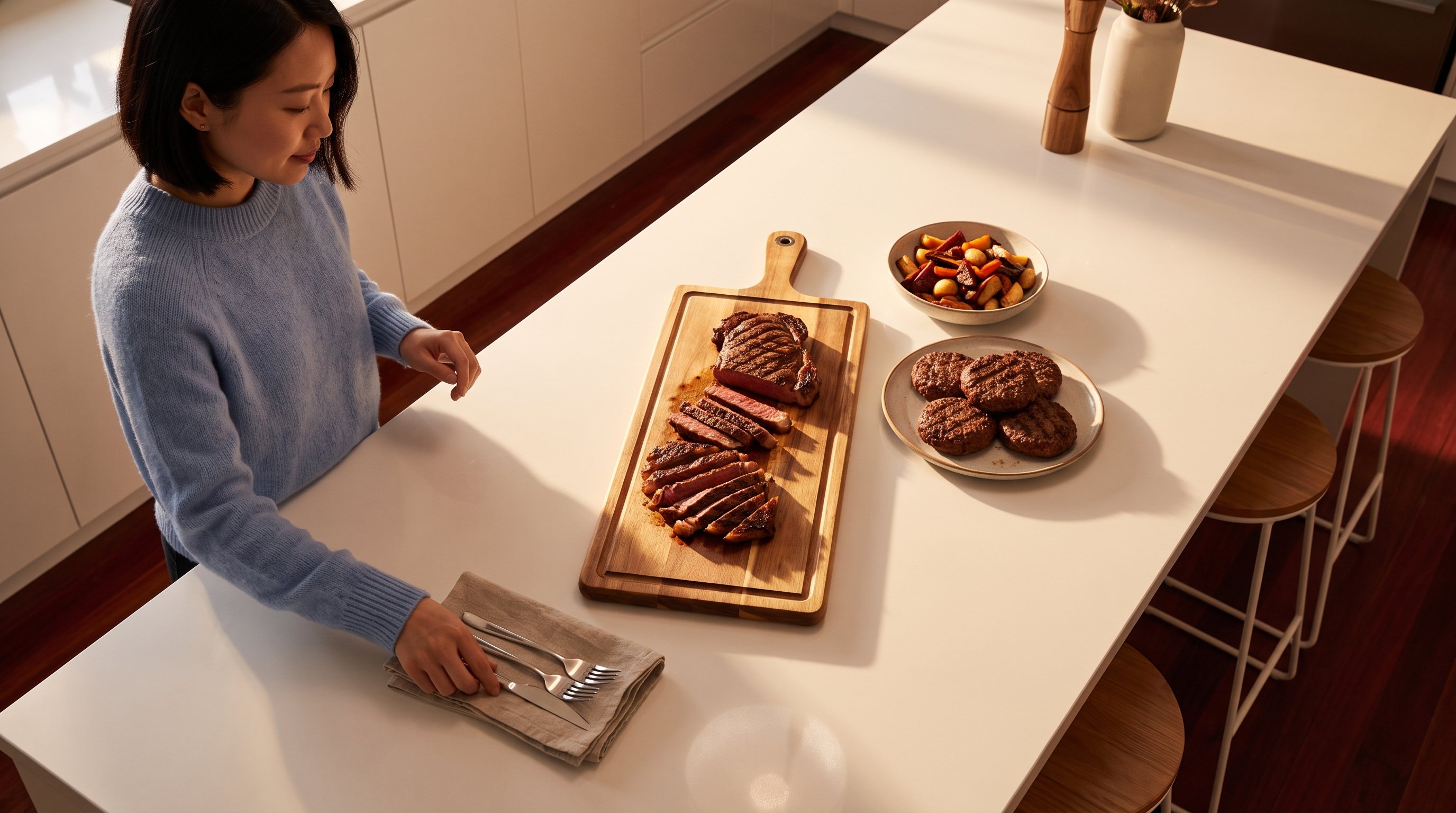
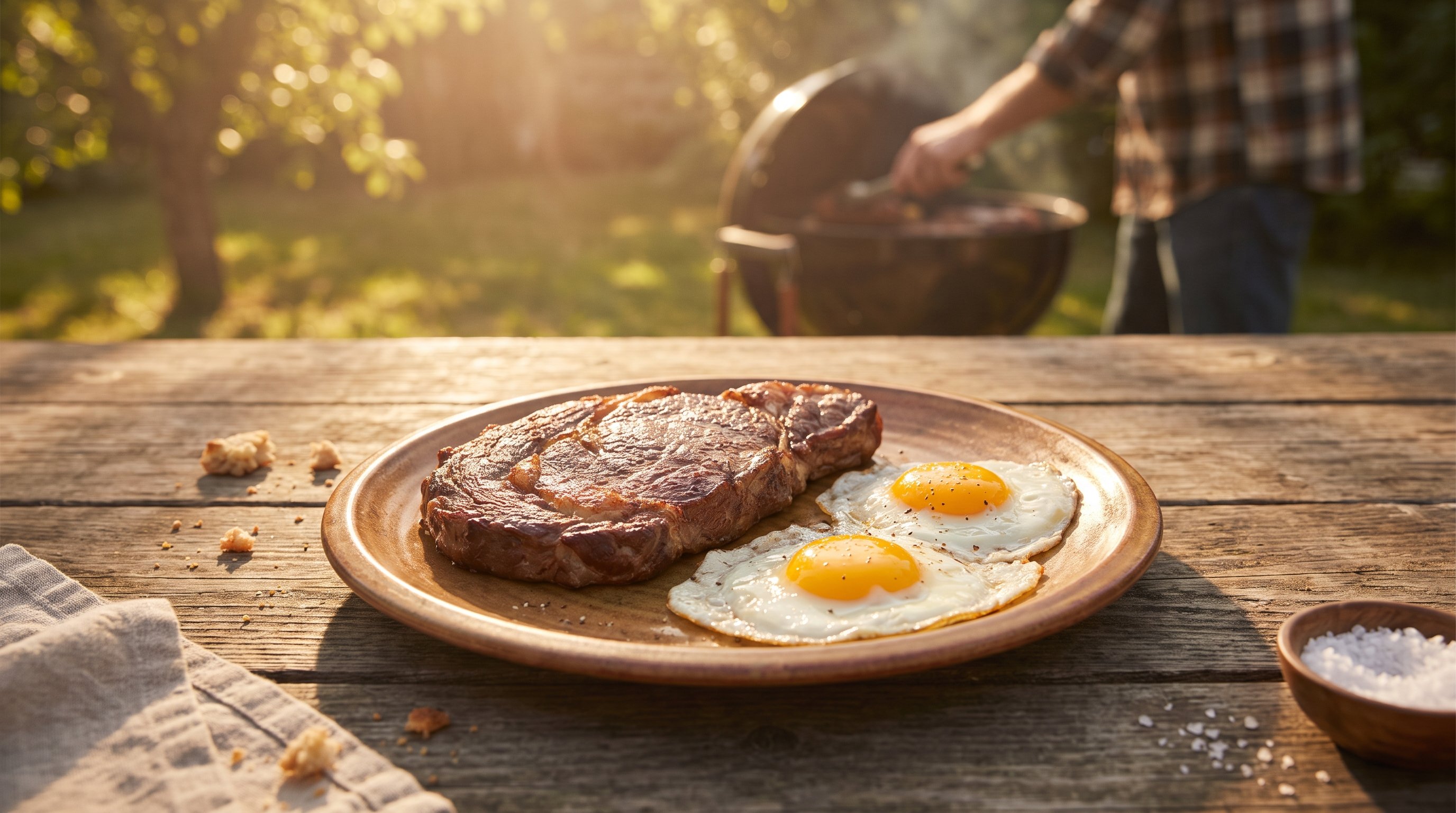
Here's the honest arithmetic: a typical plate of steak and eggs runs far higher in protein and fat and far lower in volume than a plate built around bread, pasta or rice.
Protein has a higher satiety effect than carbohydrate, meal for meal, so people on a meat-heavy plate often stop eating sooner without trying to restrict anything.
That's the whole mechanism. Fewer food options plus a plate that fills you up faster usually adds up to lower calorie intake across the day, and a lower intake over weeks is what moves the number on the scale.
How Protein and Satiety Drive the Result
Two things are doing the work here, and it helps to separate them instead of treating carnivore as one single effect.
Protein Keeps Hunger Down Between Meals
A plate built mostly around beef, eggs or fish is dense in protein, and protein takes longer to digest than refined carbs, which means hunger shows up later. That alone can stop the all-day grazing that quietly adds calories without anyone noticing.
Cutting an Entire Food Group Removes Decision Fatigue
When carbs are off the table, there's no deciding between the bread basket and the salad, no weighing up dessert. Fewer decisions at each meal means fewer chances to eat more than planned.
Neither of these targets any specific part of the body. The body doesn't choose where weight comes off, it just responds to the overall energy balance you're running.
How Much Meat to Eat for Steady Results
There's no single number that works for everyone, because body size, activity level and goals all shift the amount that makes sense.
A Starting Point by Meal
Most people build each plate around a palm-to-fist sized portion of meat, then add eggs or a second protein source if still hungry. The table below gives a rough daily shape to work from, not a rule to force.
| Meal | Example Portion |
|---|---|
| Breakfast | 3 to 4 eggs, bacon |
| Lunch | 200g ground beef |
| Dinner | 250g steak or fish |
| Optional Snack | Jerky or cheese |
| Daily Water | 2 to 3 litres |
Adjust portions up or down based on hunger, not the clock. A smaller frame or lower activity level usually needs less food to feel satisfied, and that's fine.
Why Simple Eating Beats Constant Calorie Counting
The harder alternative to carnivore eating is traditional calorie counting: weighing every ingredient, logging every meal, checking labels on everything that comes out of a packet.
That approach can work, but it asks for a lot of ongoing effort, and effort that has to be repeated every single day tends to fade after a few weeks.
Carnivore eating sidesteps a lot of that tracking because the food choice itself does some of the calorie work automatically, through higher protein and fewer total options.
Adherence beats precision almost every time. A simple plan followed for months will usually outperform a precise plan abandoned after three weeks.
Fitting a Meat-Based Plate Into a Normal Week
Real weeks involve early mornings, long shifts, and evenings where cooking feels like the last thing anyone wants to do.
The plan that survives a real week is the one with the fewest decisions built in: a short list of go-to meals, a grocery list that doesn't change much, and portions that don't need a scale every time.
This is where a tailored structure helps rather than a generic list of rules. Carnimeal builds a plan around your actual goal, your eating style and the recipes you'll genuinely cook, instead of handing you the same advice as everyone else.
That matters because generic advice fails on fit, not on quality. A plan that assumes you cook three meals from scratch every day won't survive a week where you barely have time for one.
The Myth That Meat Melts Fat From One Area
A common promise floating around carnivore talk is that eating this way burns fat from a specific area, usually the stomach.
That isn't how the body works. The body decides where it draws energy from based on its own biology, not on what food group you're avoiding or which exercise you're doing.
There's also no overnight version of this. Weight loss is the result of sustained calorie balance over time, and no single meal, food or short burst of effort changes that.
The real answer is patience plus consistency. Eating this way, applied steadily, is a tool for managing total intake, not a shortcut around how energy balance works.
What Actually Moves the Needle on Carnivore Weight Loss
Not every factor matters equally, and knowing which ones carry the most weight saves a lot of wasted effort.
The Three Biggest Levers
- Consistency over weeks - one strong day does little, but the same meals repeated for months is what actually shows up on the scale.
- Protein-forward plates - leaning on protein-dense cuts keeps hunger lower, which makes the whole plan easier to hold without a second thought.
- Realistic portion sizes - eating until comfortably full rather than stuffed still matters, even without carbs on the plate.
Common Mistakes That Stall Carnivore Weight Loss
Eating Past Fullness Out of Habit
Even without carbs, it's possible to overeat on meat and cheese simply out of routine. Pay attention to actual hunger rather than finishing a set portion every time.
Skipping Water and Electrolytes
Cutting carbs changes water and sodium balance, and feeling flat or foggy is often a sign of that, not a sign the plan isn't working. Drinking enough water and keeping salt intake reasonable usually clears it up.

Expecting a Straight Line Down
Weight shifts week to week for all sorts of reasons that have nothing to do with fat loss, including water retention and digestion. Judging progress by a single day's number leads to quitting too early.
Copying Someone Else's Exact Plan
A plan built for someone else's body, goal and schedule rarely fits cleanly onto a different life. Building portions and meals around your own situation holds up far longer than copying a template.
Getting Carnivore Weight Loss Built Around Your Own Goal
Most carnivore advice online is written for an average person who doesn't exist. Your schedule, your starting point and your goal are specific to you, and a generic list of rules can't account for that.
Carnimeal is a tailored carnivore weight loss book built around your goal, your body and the way you actually like to eat, with recipes that match your style so meals never feel repetitive or confusing.
It includes a full section dedicated to your specific goal, plus practical lifestyle and nutrition guidance so you're not guessing what to eat, how to move, or how to stay consistent when the week gets busy.
The structure is built to keep you going, with the kind of insight and motivation that make it easier to show up again tomorrow, not just today.

Start Your Carnivore Plan
Your Meat-Based Diet
Starting Your Own Carnivore Weight Loss Plate Today
Pick one meal today and build it around a simple portion of meat and eggs, nothing more complicated than that. The rest of the plan can follow once that first plate feels normal.
Carnimeal exists for the step after that: turning one plate into a full plan that's actually built around your goal, so the next week doesn't rely on guesswork.
FAQ
It can, because meals built mostly around protein and fat tend to lower overall calorie intake without much conscious effort. The result still depends on maintaining that lower intake over time, not on any single food.
It can feel that way at first, but many people find fewer choices actually easier to manage than constant calorie counting. The key is building a plan with enough variety in cuts and cooking styles that it doesn't feel repetitive.
Simple cuts like ground beef, eggs and canned fish cook in minutes and need little preparation. A plan built around what you'll realistically cook on a tired weeknight matters more than an elaborate recipe you'll skip.
Early changes often include water shifts that level off, which can make progress look like it's stopped even when it hasn't. Carnimeal's goal-focused approach helps you adjust portions and expectations instead of abandoning the plan at the first plateau.
Share this post