Switching From Keto To Carnivore: A Grounded Way To Do It
By:Author:Carnimeal Editorial
Updated on:October 20, 2026

- Does Dropping Plants After Keto Actually Change Anything?
- How the Switch Actually Plays Out in the Body
- How Much Meat and Fat Replace the Old Keto Plate
- Why Simplifying Beats Fine-Tuning Keto Macros
- Fitting Carnivore Into a Life Already Built Around Keto
- The Myth That Cutting Plants Means Instant Results
- What Actually Changes When Keto Becomes Carnivore
- Where the Keto to Carnivore Switch Usually Slips
- Making the Keto to Carnivore Switch With Carnimeal
- Picking the Week You'll Actually Make the Switch
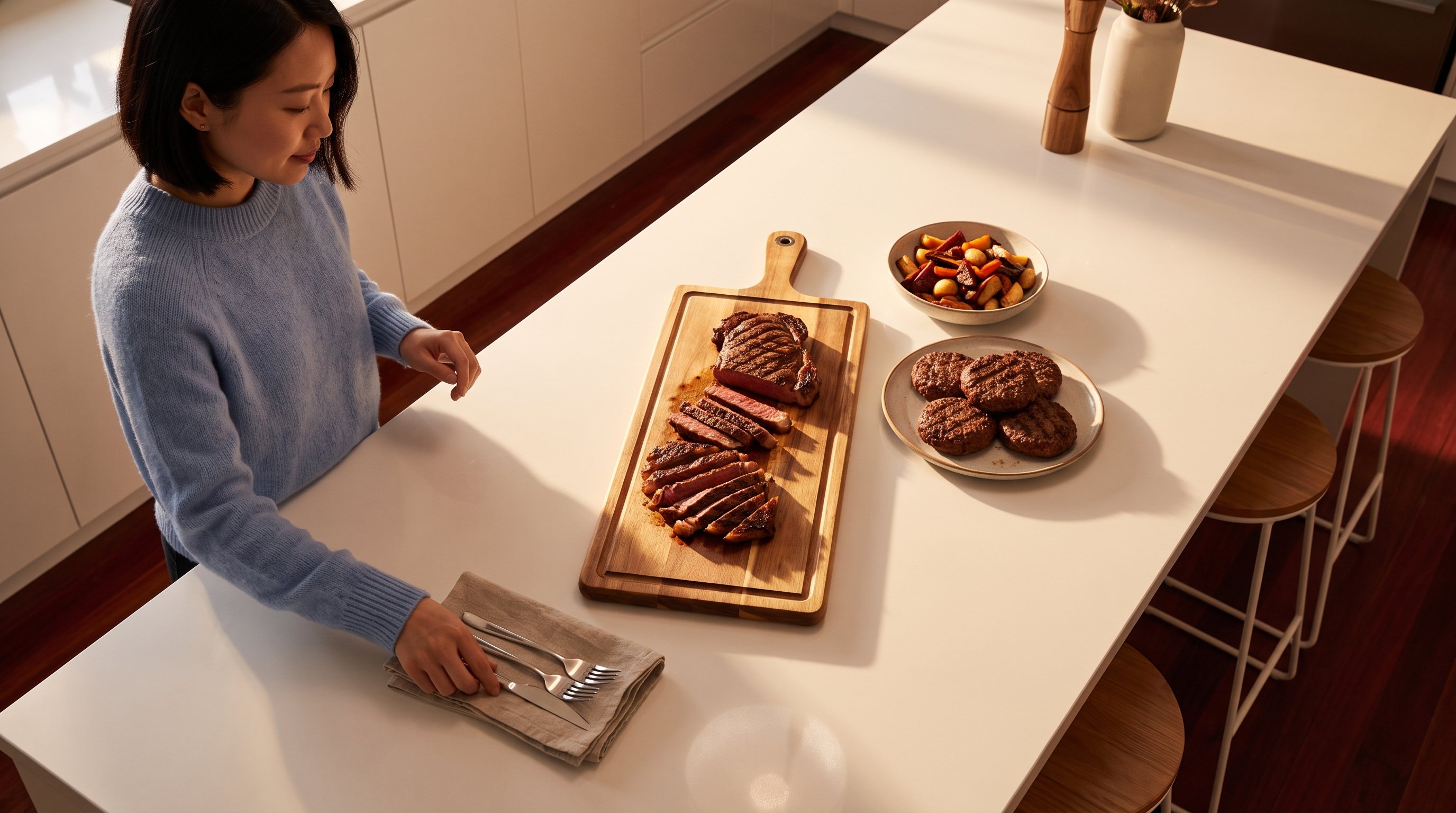
Switching from keto to carnivore mostly means dropping the remaining plant foods and leaning harder on the thing keto already had you doing: eating fewer carbs and more protein and fat.
Keto already cut carbs down low, so your body is used to running on fat for fuel. Carnivore just removes the vegetables, nuts, and keto-friendly extras that were still on the plate, which simplifies digestion and shopping at the same time.
This article covers what changes when you make that switch, how much to eat, why the simpler version tends to stick, and the mistakes that usually trip people up in the first few weeks.
Does Dropping Plants After Keto Actually Change Anything?
Yes, because keto still allows a wide range of plant foods, and removing them changes both fibre intake and the number of decisions you make at each meal.
On keto, a typical day might include eggs, cheese, leafy greens, avocado, nuts, and a fatty cut of meat. On carnivore, that same day becomes meat, eggs, and maybe some dairy, so the number of ingredients drops sharply.
Fewer ingredients means fewer chances to miscalculate carbs, since keto failure usually comes from a food that looked low-carb but wasn't. Carnivore removes that guesswork because animal foods carry close to zero carbs by default, so there's nothing to misjudge at the label.
How the Switch Actually Plays Out in the Body
Fat Adaptation Carries Over
If you've been on keto for a while, your body is already pulling energy from fat and ketones rather than glucose. Moving to carnivore doesn't restart that process, it just removes the plant-based fats and fibre that were sitting alongside the animal foods.
Fibre Drops to Near Zero
Keto usually keeps some fibre in the mix through vegetables, but carnivore removes almost all of it. Digestion shifts to rely on the fat and protein in meat, which for many people means fewer digestive swings than mixing plant fibre with high fat.
How Much Meat and Fat Replace the Old Keto Plate
The simplest way to switch is to replace the volume of your old keto meal with meat and eggs of a similar size, then adjust fat up or down based on hunger.
Matching Portions to What You Already Ate
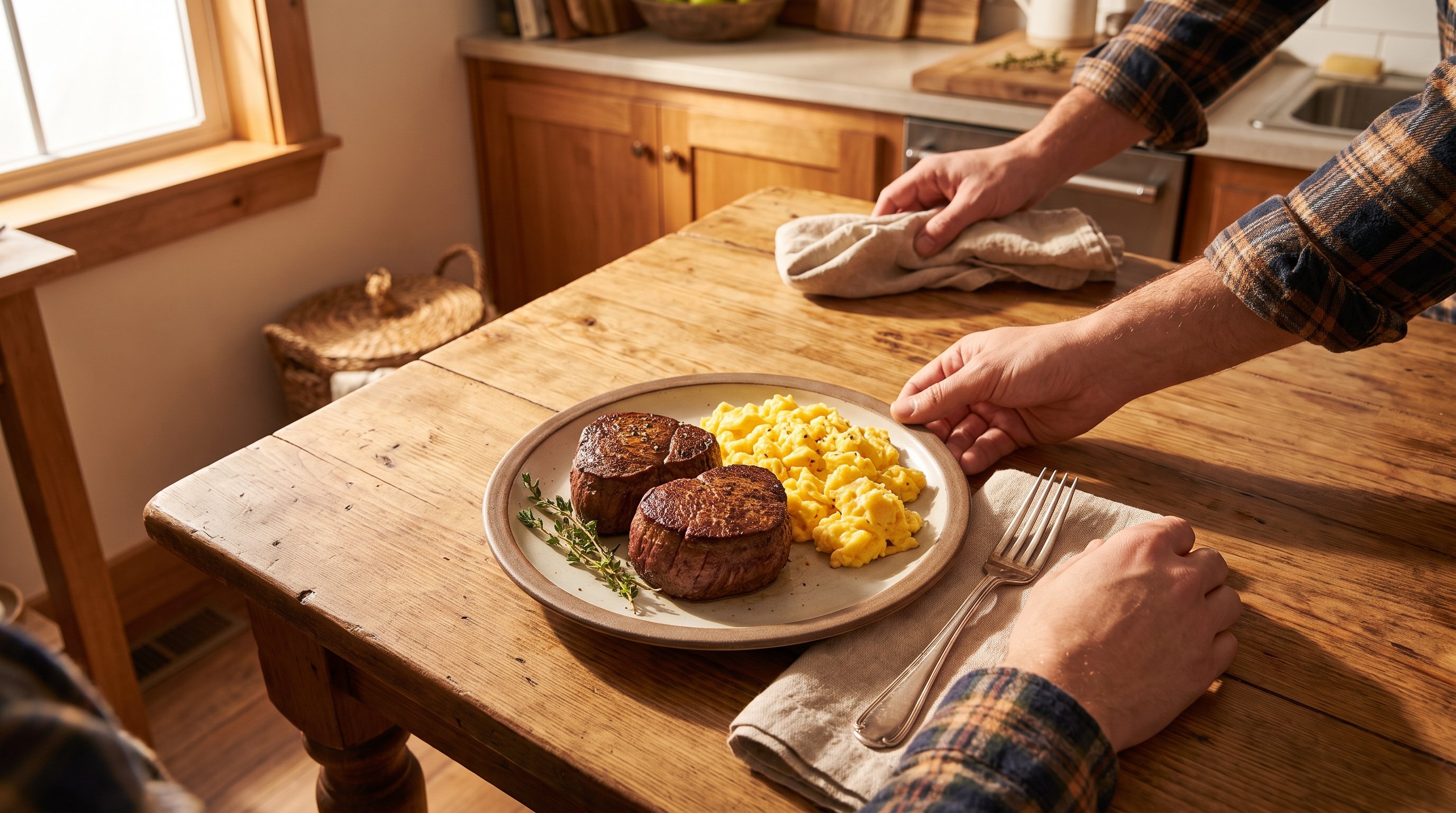
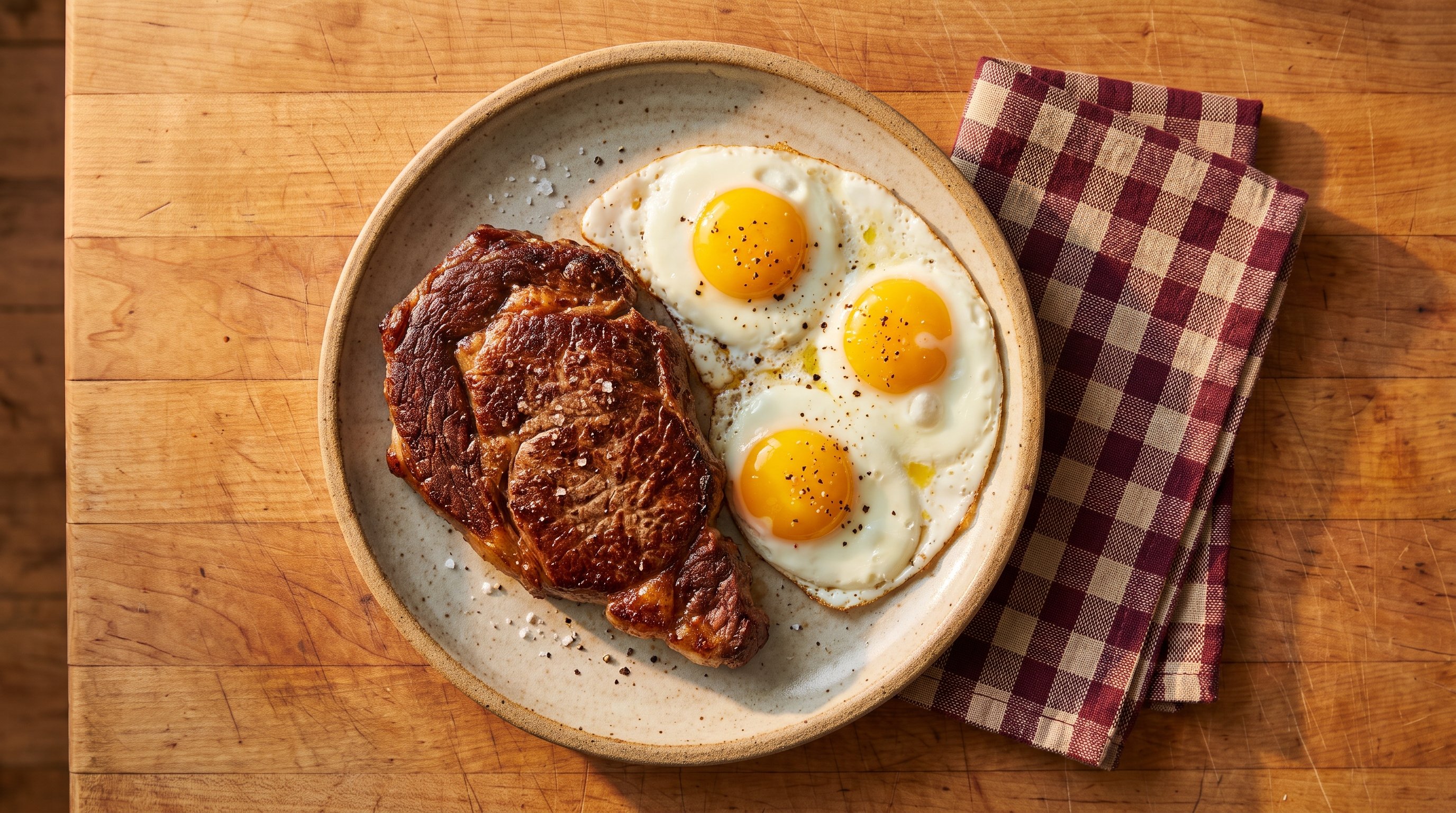
If a keto dinner was a steak with a side of greens and butter, the carnivore version is the same steak with the greens replaced by a second egg or a bit more fat trimmed into the meat. The total plate size stays close to what you're used to, which makes the change feel smaller than it sounds.
| Meal | Keto Version | Carnivore Version |
|---|---|---|
| Breakfast | Eggs, avocado, bacon | Eggs and bacon |
| Lunch | Salad with chicken, cheese | Chicken thighs, cheese |
| Dinner | Steak, broccoli, butter | Steak with extra butter |
| Snack | Nuts, cheese | Cheese or jerky |
Why Simplifying Beats Fine-Tuning Keto Macros
Keto asks you to track carbs, fat, and protein against a target every day, which works until life gets busy and tracking slips.
Carnivore removes most of that tracking because the food choices are already narrow. There's no macro app needed to figure out if a sauce or a vegetable pushed you over your carb limit, because the plate is just meat, eggs, and maybe dairy.
That difference matters for people who stuck with keto for a while but found the constant label-checking exhausting. Fewer decisions at each meal tends to be easier to repeat than a diet that still requires daily math.
Fitting Carnivore Into a Life Already Built Around Keto
If your kitchen is already stocked for keto, most of what you need for carnivore is already there: meat, eggs, butter, and cheese.
The adjustment is mental more than practical, since you're removing foods rather than learning new ones. The main thing worth figuring out early is which proteins and cuts you'll rotate through so meals don't feel repetitive during the first few weeks.

This is where a customized plan built around your actual goal and eating style helps, rather than guessing which cuts and recipes to lean on. A solid resource lays out tailored carnivore recipes that match how you already like to eat, so the switch from keto doesn't mean starting from a blank page.
The Myth That Cutting Plants Means Instant Results
Switching to carnivore does not mean the body suddenly burns fat from a specific area, and no food or diet can target where weight comes off.
The body decides where it draws energy from based on its own processes, not on which foods you remove. What carnivore can do is make it easier to eat consistently, because there's less to plan and fewer ingredients that quietly carry carbs.
The honest version is this: dropping plant foods after keto simplifies your plate and may make consistency easier, but it doesn't rewrite how fat loss works in the body.
What Actually Changes When Keto Becomes Carnivore
The Three Biggest Shifts
- Fewer carb mistakes - animal foods carry close to zero carbs, so there's no label to misread or sauce to second-guess.
- Less tracking - a narrower plate means fewer macros to calculate at every meal.
- Simpler shopping - the grocery list shrinks to meat, eggs, and dairy, which cuts decision fatigue at the store.
Where the Keto to Carnivore Switch Usually Slips
Keeping Keto Snacks Out of Habit
Nuts and keto bars often stay in the cupboard out of routine even after the switch. Clear them out or move them somewhere less visible so the plate stays animal-based without a constant internal negotiation.
Cutting Fat Too Soon
Some people drop fat along with the vegetables, which leaves meals too lean to feel satisfying. Keep fat levels close to what kept you full on keto, then adjust from there.
Expecting Zero Adjustment Period
Even with a fat-adapted body, removing fibre and plant foods can shift digestion for a short stretch. Give it a bit of time rather than assuming something's wrong on day two.
Skipping Variety in Cuts
Eating the same cut of beef daily gets old fast and makes the switch harder to sustain. Rotate through a few proteins so meals don't start to feel like a chore.
Making the Keto to Carnivore Switch With Carnimeal
Generic keto-to-carnivore advice tends to assume everyone eats the same way and wants the same outcome, which is rarely true.
Carnimeal builds a book around your specific goal, your current eating style, and the way you actually cook, so the switch from keto doesn't mean guessing which recipes or portions fit you. It includes a deep-dive section focused on your goal, customized recipes, and practical lifestyle advice so staying consistent doesn't require overthinking every meal.

Start Your Carnivore Plan
Your Meat-Based Diet
Picking the Week You'll Actually Make the Switch
The switch from keto to carnivore works best when it's planned rather than rushed, since clearing out plant foods and settling on go-to cuts takes a little forethought.
Pick a week without major disruptions, stock the fridge with a few proteins you already enjoy, and let the first few days be about finding a rhythm rather than perfection. A customized eating plan can take some of that guesswork out by laying out a roadmap built around your goal from day one.
FAQ
It may support consistency because there's less to track and fewer hidden carbs, but no diet guarantees a weight-loss figure or timeline. What it changes is how simple it is to stick with the eating pattern day to day.
Keto allows a range of plant foods, which means more labels to check and more room for carb creep. Carnivore removes that layer entirely, which some people find easier rather than harder once the initial adjustment passes.
Letting go of keto staples like nuts, cheese-heavy snacks, or low-carb vegetables out of habit tends to be the biggest sticking point. Having a few go-to meals ready in advance, like the kind Carnimeal lays out around your preferred eating style, makes that first stretch smoother.
Most drop-off happens when meals start to feel repetitive or when fat intake gets cut too low to feel satisfying. Rotating proteins and keeping fat at a level that keeps you full usually solves both issues.
Share this post