High Protein Beef Recipes: A Simple Guide That Fits Your Goal
By:Author:Carnimeal Editorial
Updated on:October 18, 2026
- The Myth That One Cut Builds More Muscle
- How Protein From Beef Actually Adds Up
- What Actually Changes Your Results With Beef
- A Full Day of High Protein Beef Meals
- Fitting Beef Recipes Into a Busy Week
- When Beef-Based Eating Starts to Feel Normal
- Mistakes That Quietly Undercut Your Protein Goal
- Getting High Protein Beef Recipes Built Around Carnimeal
- Starting Your Next Shop With Beef in Mind
High protein beef recipes work best when you pick cuts and cooking methods that fit your actual day, not a recipe card from somewhere else. Beef already carries a solid protein load per serving, so the real skill is variety and portion, not chasing a magic cut.
The mechanism is simple: your body needs a steady protein supply across the day, and beef delivers that without needing sauces, grains or extra prep to make it filling.
This guide covers what actually changes the result, a sample day you can copy, where people tend to quit, and the mistakes worth avoiding before you start.
The Myth That One Cut Builds More Muscle
There's a common idea that one specific beef cut, like a fillet steak, builds muscle faster than mince or chuck. That's not how protein works.
Muscle tissue responds to total protein intake and training stimulus, not which part of the cow it came from. A cheaper cut like beef mince carries a comparable protein load per 100g serving to a pricier steak, so the arithmetic favours whatever you'll actually eat consistently.
The honest answer: pick the cuts that fit your budget and your schedule, because the protein total across the week matters more than any single meal.
How Protein From Beef Actually Adds Up
Two things decide whether your beef meals actually hit a useful protein number: the cut you choose and the portion you serve.
Cut Choice and Protein Density
Leaner cuts like sirloin or mince with less fat trimmed carry more protein per gram of weight, simply because fat displaces protein in the same portion. A fattier cut still delivers protein, just alongside more calories per serving, which matters if you're also managing weight.
Portion Size and Daily Totals
A single 150g serving of beef gives you a meaningful chunk of a daily protein target, but one meal rarely covers the whole day. Spreading beef across two or three meals, rather than one oversized plate, makes it easier to hit a daily number without forcing down a mountain of food in one sitting.
What Actually Changes Your Results With Beef
Three things do most of the work for high protein beef recipes. Everything else is detail.
The Three Levers That Matter
- Total protein across the day - one big steak doesn't matter if the rest of your meals are thin on protein; the daily total is what counts.
- Consistency of cuts you'll actually cook - the best recipe is worthless if it needs an ingredient you won't buy twice.
- Cooking method that fits your time - pan-searing and roasting take minutes of hands-on work, while slow cooks need planning ahead; pick what matches your week.
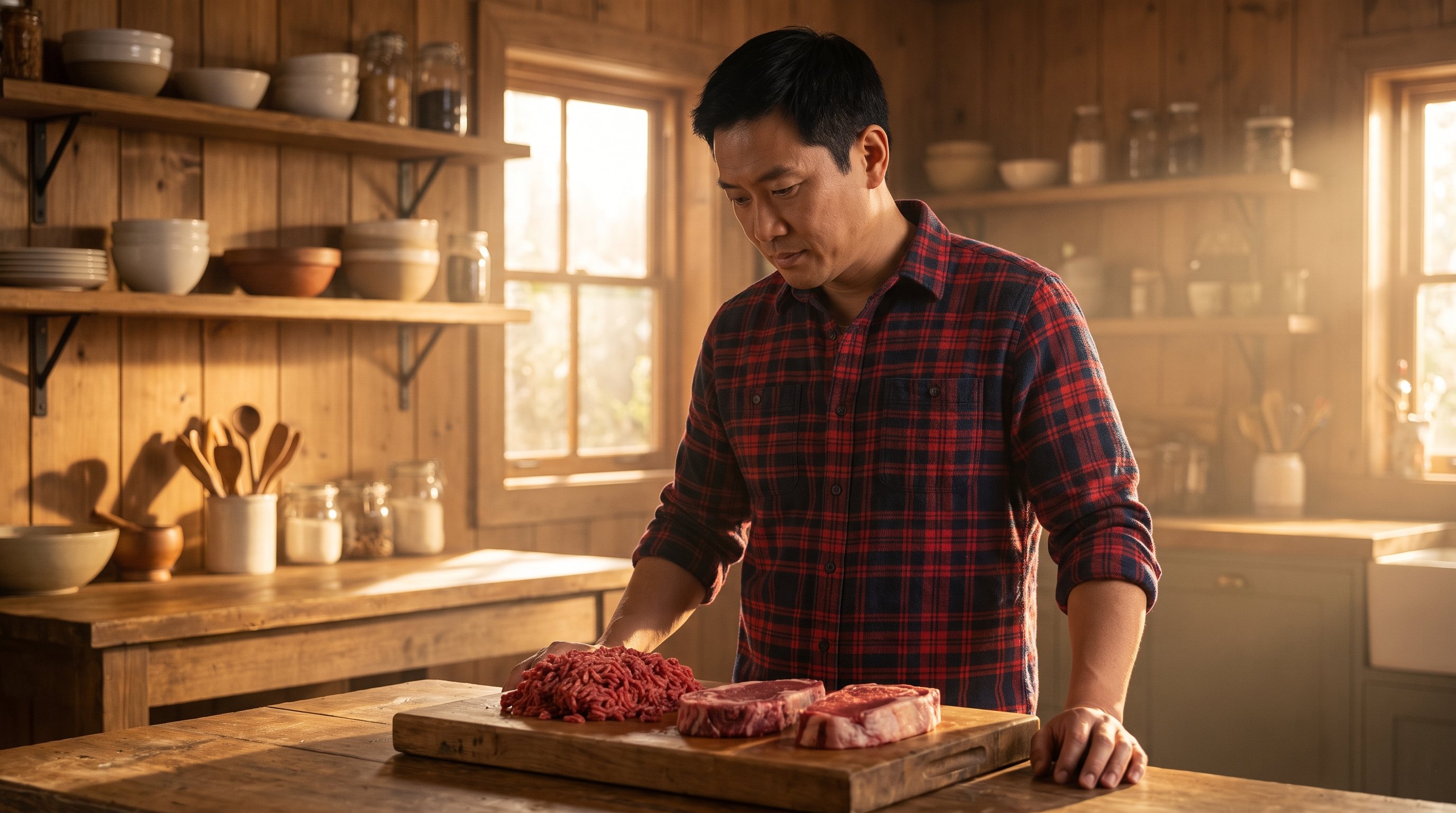
Get those three right and the recipes themselves become flexible - swap mince for steak, swap a pan for the oven, the structure still holds.
A Full Day of High Protein Beef Meals
Here's one way a day could look if you're building meals around beef as the main protein source.
| Meal | Dish |
|---|---|
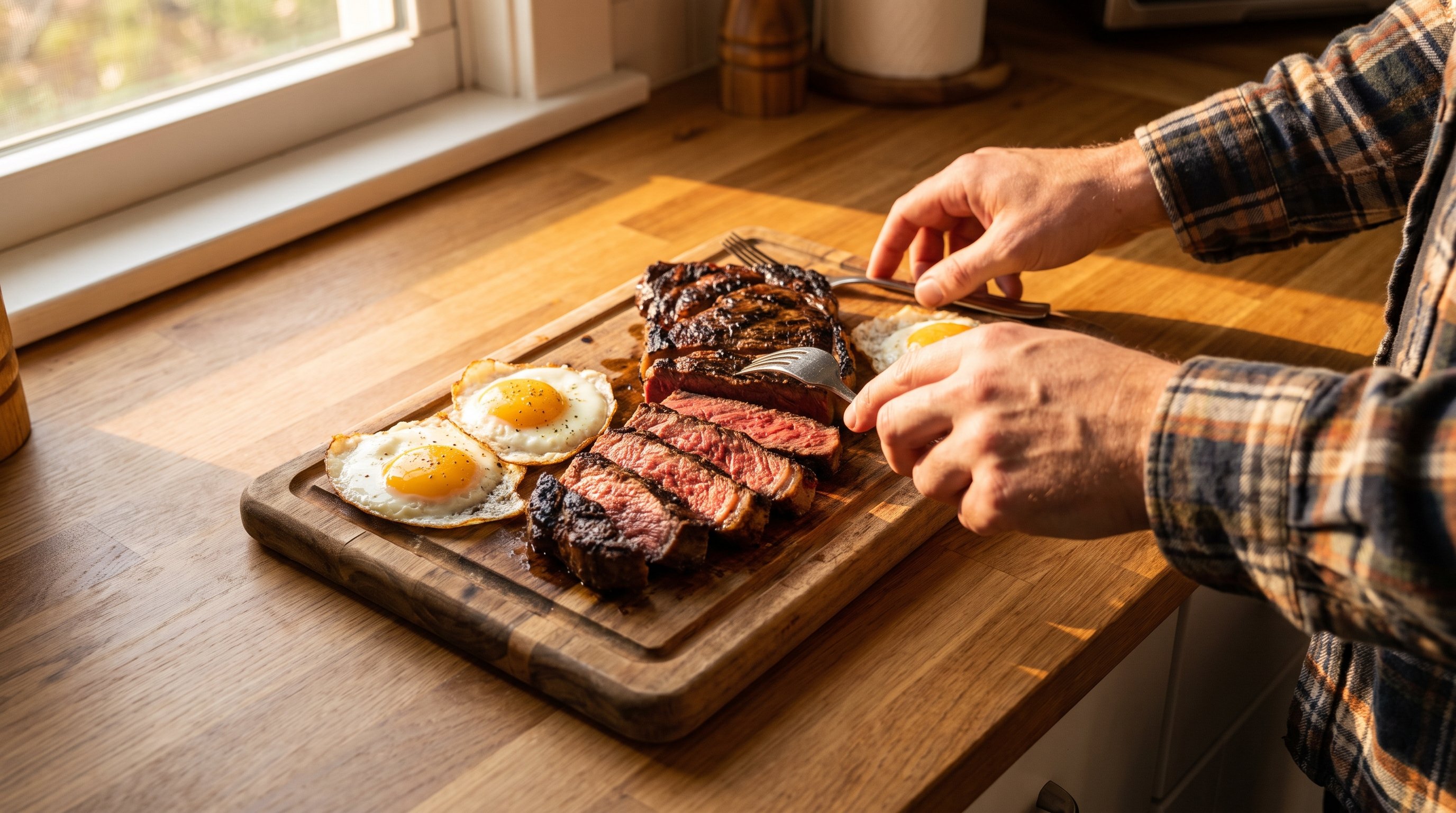
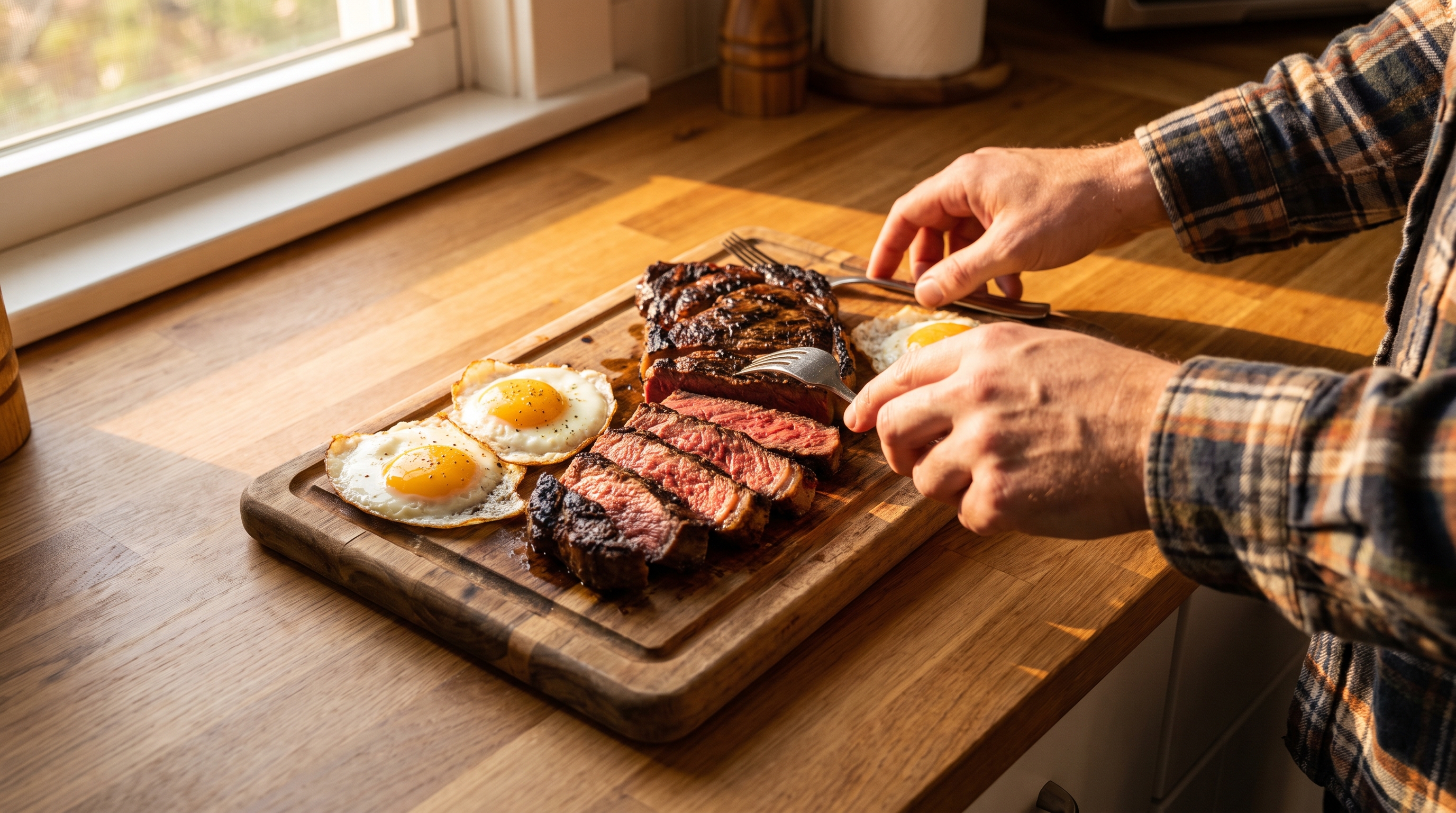
| Breakfast | Beef mince with fried eggs |
| Lunch | Sliced sirloin steak, salted |
| Dinner | Slow-cooked beef chuck |
| Snack | Cold leftover roast beef |
Each meal uses a different cut, so you're not eating the exact same plate four times, but every one of them is built around beef doing the heavy lifting.
Fitting Beef Recipes Into a Busy Week
Real weeks have early mornings, late meetings and days where cooking from scratch just isn't happening. The fix isn't more recipes, it's fewer decisions - cook a larger batch of one cut and portion it out across two or three days.
That's where having a plan built around your own schedule and goal, rather than a generic recipe list, makes the difference - which is the gap customized meal planning is built to close with recipes matched to your eating style instead of a one-size-fits-all book.
A customized recipe set means you're not scanning dozens of pages hoping something fits tonight; it's already sorted around how you actually eat.
When Beef-Based Eating Starts to Feel Normal
The first week or two usually feels like extra effort, because you're learning new cuts and new cooking times. That adjustment period is normal and it passes.
People tend to drop off around the point where the novelty fades and the grocery list feels repetitive. That's less about beef itself and more about not having enough variety built in from the start, which is why rotating cuts and cooking methods from day one matters more than it seems.
Mistakes That Quietly Undercut Your Protein Goal
Trimming Away Too Much Fat
Cutting all visible fat off every cut can leave meals less satisfying and harder to stick with. Leave some fat on and let the cut do what it's meant to do.
Only Eating One Cut on Repeat
Sticking to mince alone gets boring fast and boredom is usually what ends a run of good eating. Rotating between mince, steak and a slow-cooked cut keeps meals interesting without adding real effort.
Skipping Meals and Overloading Dinner
Trying to hit your whole protein target in one evening meal makes portions unmanageable and dinner a chore. Spreading beef across two or three meals a day is easier on both appetite and planning.
Guessing Portions Instead of Checking Them
Eyeballing a serving size often means underestimating how much protein actually landed on the plate. Weighing a portion a few times until you know what 150g looks like removes the guesswork for good.
Getting High Protein Beef Recipes Built Around Carnimeal
A generic recipe list assumes everyone eats the same way, trains the same amount and has the same kitchen time, which rarely holds up in practice.
Carnimeal puts together recipes that match your preferred eating style, with a section focused on your specific goal and practical guidance on fitting meals into a real schedule, so the plan works with your week instead of against it.
Start Your Carnivore Plan
Your Meat-Based Diet
Starting Your Next Shop With Beef in Mind
The next grocery trip is the easiest place to start - pick two or three cuts you already like, plan them across the week, and let portion size do the rest of the work.
Carnimeal can take that planning off your plate by building the recipes and goal-focused structure around you from the start.
FAQ
Beef on its own doesn't target weight directly, but a protein-rich meal tends to be more filling per calorie than many alternatives. What matters most is the total you eat across the day and week, not any single recipe.
Cuts like mince and chuck carry a similar protein load to pricier steaks for less cost, so the budget concern is often about cut choice, not quantity. Rotating cheaper cuts with the occasional steak keeps variety without blowing the weekly spend.
Batch-cooking one larger portion of a cut like chuck or mince and splitting it across two or three days solves most of the time problem. Carnimeal's recipes are built with that kind of real-world schedule in mind rather than assuming daily fresh cooking.
Weighing a few portions early on gives you a reliable sense of what your usual serving actually contains. Once you know that, spreading similar portions across two or three meals a day keeps the daily total consistent without needing to track every gram forever.
Share this post