Daily Water Intake Tracker: A Simple Habit That Sticks
By:Author:Carnimeal Editorial
Updated on:October 18, 2026

- What a Tracked Water Day Actually Looks Like
- How Much Water to Log Each Day
- Why Logging Beats Guessing at Your Fluid Intake
- Fitting a Water Tracker Into a Full Week
- Adjusting Fluid Tracking to Fit Your Routine
- Where Most People Drop the Water Tracking Habit
- Building Water Tracking Into a Carnimeal Routine
- Making Water Tracking a Habit That Actually Lasts
A daily water intake tracker is just a simple way to log how much fluid you drink across the day, usually against a target you set for yourself. It works because most people underestimate how little they actually drink until they write it down.
The mechanism is plain: you cannot manage what you do not measure, and fluid intake is easy to lose track of between meetings, meals and workouts.
This article covers what a tracked day looks like, how much to aim for, why tracking beats guessing, and how to fit the habit into a week that is already full.
What a Tracked Water Day Actually Looks Like
A tracked day does not need to be complicated. It just means checking in at a few fixed points instead of trying to remember everything at 9pm.
A Simple Tracked Day
- On waking - one glass logged before coffee or tea
- Mid-morning - a refill logged at the desk or on a break
- With lunch - a glass logged alongside the meal
- Afternoon - a second refill logged to cover the slow stretch
- With dinner and evening - a final glass logged to close out the day
Five check-ins is enough to build a full picture without turning the day into an admin exercise.
How Much Water to Log Each Day
Setting a Daily Target You Can Actually Hit
A common starting point is around 2 litres a day for most adults, adjusted up on hot days or after exercise when you lose more fluid through sweat. The table below breaks that target into smaller, trackable chunks.
| Time Of Day | Amount To Log |
|---|---|
| Morning | 500 mL |
| Midday | 500 mL |
| Afternoon | 500 mL |
| Evening | 500 mL |
Four even checkpoints of 500 mL add up to 2 litres, which makes the target easy to split across a normal day without needing to do maths at 11pm.
Why Logging Beats Guessing at Your Fluid Intake
The harder alternative is trying to estimate fluid intake from memory at the end of the day. Most people round up without meaning to, because a few sips here and there feel like more than they are.
Logging each glass as it happens removes the guesswork entirely. You are not relying on memory, you are relying on a running count that is already sitting there in front of you.
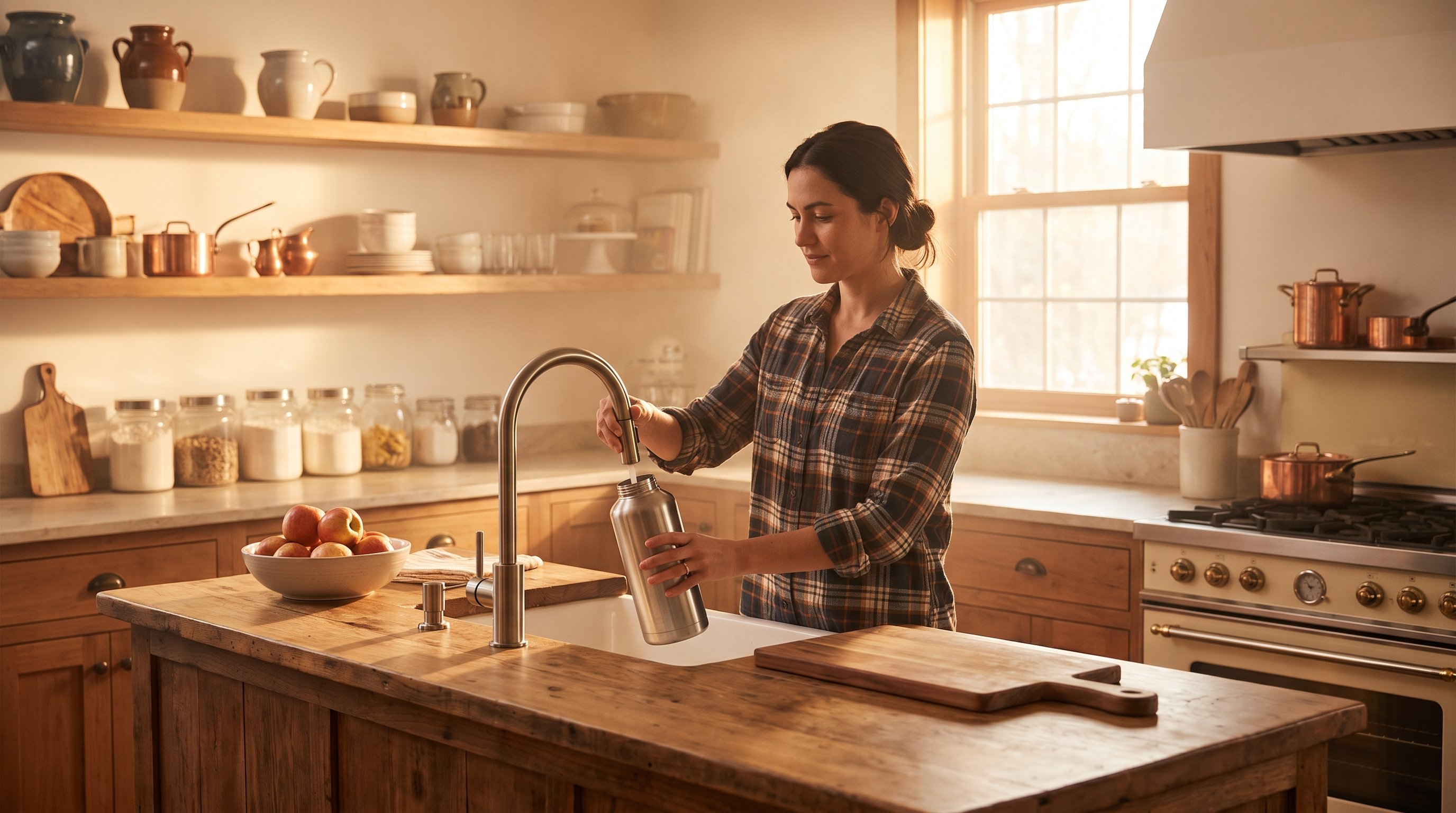
A tracker also makes gaps visible. If the log shows nothing logged by 2pm, that is a clear signal to catch up, rather than a vague feeling of thirst that is easy to ignore.
Fitting a Water Tracker Into a Full Week
A tracker only works if it fits around the week you actually have, not the week you wish you had. Pairing it with something you already do daily, like a meal or a coffee break, makes it far more likely to stick.
This is where keeping steps, water and weight in one place helps, because you are not opening a separate app just to log a glass of water.
Carnimeal's lifestyle and nutrition advice is built around fitting habits like this into a normal day without overthinking it, so tracking fluid becomes one more small checkpoint rather than another task on a list.
Adjusting Fluid Tracking to Fit Your Routine
Just Starting Out
If tracking is new, start with three check-ins a day instead of five. Fewer entries logged consistently beats a detailed system that gets abandoned by Wednesday.
Busy Schedules
If the day is packed with back-to-back meetings or shifts, attach each glass to something fixed like clocking in, lunch and clocking out. The fewer decisions involved, the more likely the log actually gets filled in.
Older Adults
Thirst cues can feel less obvious with age, so a fixed schedule of check-ins matters more than relying on feeling thirsty first. Logging by the clock rather than by sensation keeps intake steadier across the day.
Active Training Days
On days with a workout or heavy sweating, add an extra checkpoint before and after training. The target for that day moves up slightly, and the tracker makes that adjustment obvious instead of something you forget by evening.
Where Most People Drop the Water Tracking Habit
The first week or two is usually fine, because the habit is new and feels worth the effort. The drop-off tends to show up once the novelty wears off and logging starts to feel like one more chore.
It helps to expect that dip rather than treat it as failure. Keep the log simple, stick to the same few check-in points, and the habit tends to settle into something automatic rather than something you have to remember to do.
Building Water Tracking Into a Carnimeal Routine
A tracker is only as useful as the plan it sits inside. On its own, a log of glasses drunk tells you very little about whether your overall eating and lifestyle habits are actually working for your goal.
Carnimeal is built specifically for your goal, your body and your eating style, with practical lifestyle and nutrition advice that covers far more than fluid intake on its own.
That means the water tracking habit sits inside a wider structure, one with customized carnivore recipes and a dedicated section built around your specific goal, so the small daily checkpoints add up to something that actually fits your life.

Start Your Carnivore Plan
Your Meat-Based Diet
Making Water Tracking a Habit That Actually Lasts
Start tonight with one thing: log the next glass of water you drink, and the one after that. The habit builds from repetition, not from getting the system perfect on day one.
The platform can help that single habit sit inside a fuller plan, one built around your goal rather than a generic checklist that ignores how you actually eat and live.
FAQ
A common target is around 2 litres a day, split into even checkpoints like 500 mL four times a day. Hotter days or heavier training sessions usually call for a bit more.
Thirst is a useful signal, but it is not always reliable, especially later in the day or with age. A tracker fills that gap by giving you a visible record instead of relying on a feeling that can come and go.
Drop down to three fixed check-ins a day rather than five, tied to things you already do like meals. A simple log kept consistently works better than a detailed one that gets abandoned after a few days.
The novelty wears off and logging starts to feel like an extra task rather than something useful. Building small habits into a wider daily structure helps the checkpoint feel like part of the day rather than an added chore.
Share this post