Carnivore Meal Prep Ideas: A Batch-Cooking Method That Holds Up
By:Author:Carnimeal Editorial
Updated on:October 18, 2026
- Does Batch Cooking Carnivore Meals Save Real Time?
- Batch Cooking or Cooking Fresh Every Night: The Trade-Off
- Why Fewer Decisions Beats Cooking From Scratch Daily
- Matching Carnivore Meal Prep to Your Actual Week
- Fitting Carnivore Meal Prep Into an Ordinary Week
- The Myth That Prepped Meals Mean Instant Results
- Getting Carnivore Meal Prep Ideas Built Around Customized Recipes
- Making This Week's Prep the One You Keep
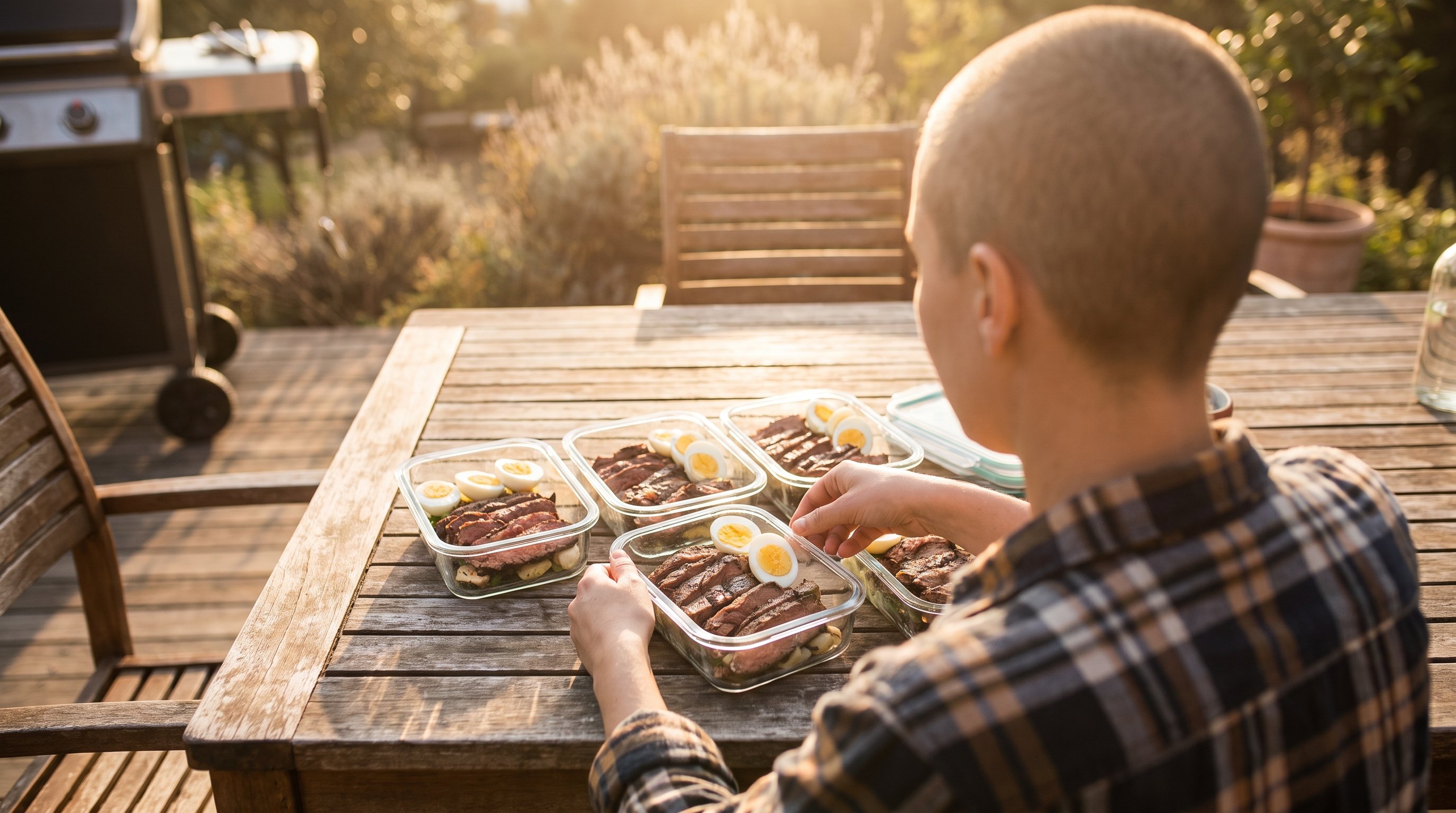
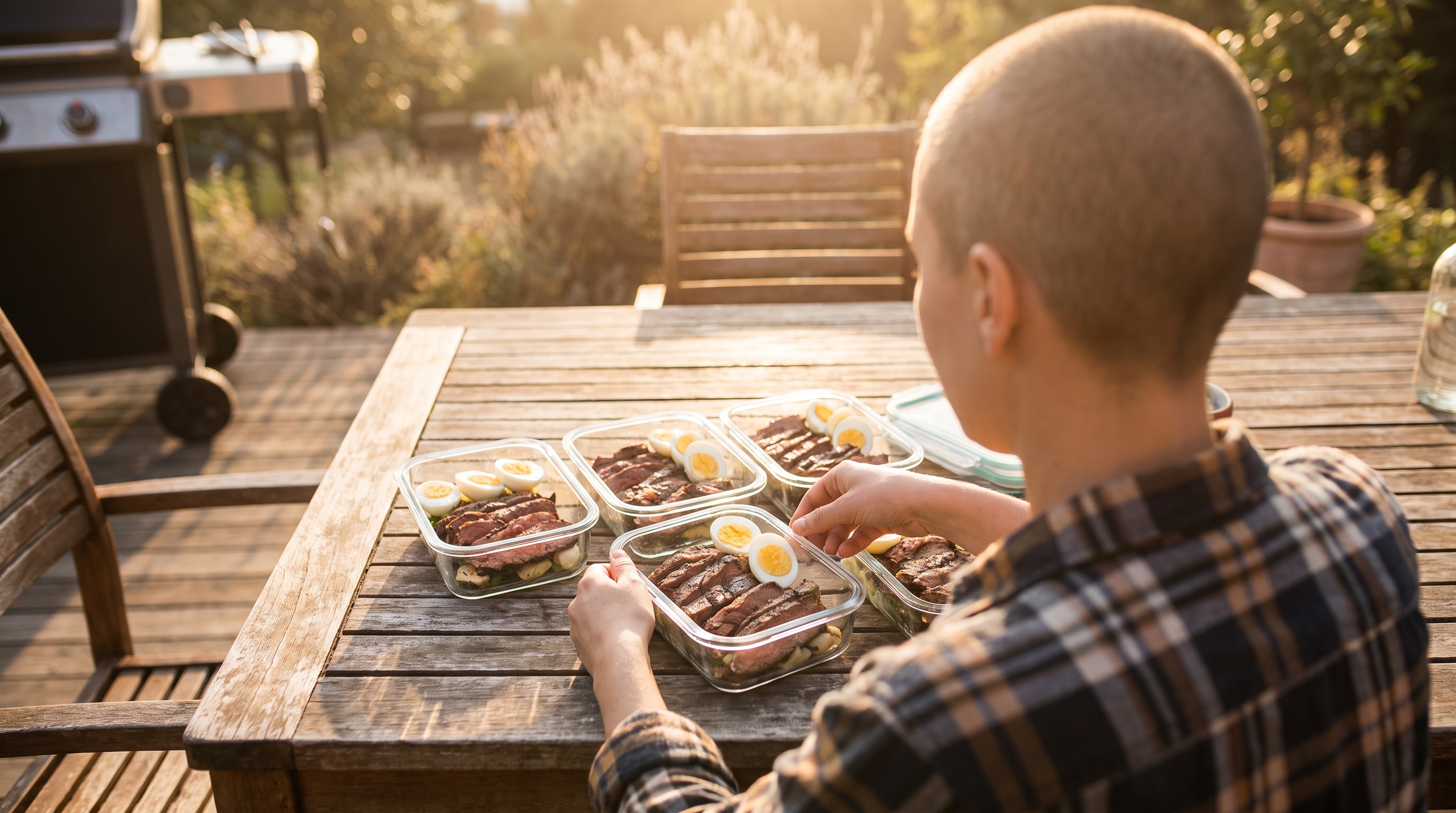
Carnivore meal prep ideas work best when you pick two or three proteins, cook them in bulk once or twice a week, and store them in a way that reheats without going dry. The method is simple: batch cook, portion into containers, and grab what you need on the day.
The mechanism is just time management. Cooking four portions of ground beef takes roughly the same active time as cooking one, so prepping ahead removes the daily decision and the daily dishes.
This article covers whether meal prep actually saves time, what to batch cook and what to skip, how it compares to cooking fresh every night, who it suits, and how to keep the routine from going stale.
Does Batch Cooking Carnivore Meals Save Real Time?
Yes, mostly because one long cooking session replaces several short ones, and cleanup happens once instead of daily.
Say a weeknight carnivore plate takes 20 minutes to cook and 10 minutes to clean up, five nights a week - that is 150 minutes. Batch cooking the same five portions in one two-hour session, plus one cleanup, can land closer to 130-150 minutes total, but the bigger saving is in decisions made, not minutes shaved.

The honest arithmetic: the time saved is modest on paper, but the number of times you have to think about what to cook drops from five to one. That is the part that actually keeps people on track.
Storage matters as much as cooking. Cooked beef, eggs and most cuts hold up in the fridge for a few days when stored properly, and reheating gently rather than blasting on high heat keeps the texture closer to fresh.
Batch Cooking or Cooking Fresh Every Night: The Trade-Off
This is the real decision behind every carnivore meal prep plan - cook once and reheat, or cook fresh each time.
| Factor | Batch Cooking | Cooking Fresh |
|---|---|---|
| Time per week | One long session | Short sessions daily |
| Decisions made | Once, upfront | Every single day |
| Texture on reheat | Slightly changed | Always fresh |
| Cleanup | One big clean | Small clean daily |
| Variety | Needs planning | Easier to vary |
Neither option is wrong. Batch cooking trades a little texture for far fewer decisions, and that trade tends to matter more once the week actually gets busy.
Why Fewer Decisions Beats Cooking From Scratch Daily
Cooking fresh every night sounds ideal, but it asks you to make the same decision - what to eat, what to buy, what to cook - seven times a week instead of once.
Batch-cooked meal prep removes most of that repeated decision-making. Once the containers are in the fridge, the only choice left is which one to reheat, which is a much smaller ask on a tired weeknight.
This is an adherence argument, not a nutrition one. A plan only works if you actually follow it, and fewer daily decisions tends to mean fewer nights where the plan gets abandoned for whatever is quickest.
The harder alternative - fresh cooking every night - isn't more effective for results, it is just more effort for the same outcome, and effort is the thing most diets fail on.
Matching Carnivore Meal Prep to Your Actual Week
If You're New to Carnivore
Start with one or two proteins you already know how to cook well, like ground beef and eggs, and prep three days at a time rather than a full week. Smaller batches are easier to judge for taste and portion before committing to a bigger cook.

If You're Busy or Working Long Shifts
A bigger single cooking session, done once on a day off, covers most of the week in one go. Reheating in a microwave or covered pan takes a couple of minutes, which matters more when the day has already been long.
If You're Prepping for More Than One Person
Scale the same batch rather than cooking separate meals - doubling a tray of beef or chicken thighs costs little extra time but covers two people's portions. Keep proteins separate in containers so each person can mix and match without recooking anything.
If You Get Bored of the Same Plate
Rotate three or four proteins across the week instead of prepping just one, and vary the cut or cooking method even if the ingredient list stays simple. A seared steak and a slow-cooked roast from the same cut of beef taste different enough to break the monotony.
Fitting Carnivore Meal Prep Into an Ordinary Week
The plan only works if it survives contact with an actual week - the one with early meetings, tired evenings and days that don't go as planned.
That means picking a prep day that is realistic, not aspirational, and keeping the container count low enough that it doesn't feel like a project every single week.
A meal plan built around food you already like makes this easier, because you're not forcing down a prepped meal you didn't want in the first place. This is where Carnimeal's customized recipes come in - the suggestions are built around your own goal and eating style, so the batch-cooked plate on day four still feels like something you chose, not something you're stuck with.
The Myth That Prepped Meals Mean Instant Results
Meal prep doesn't speed up results, and it can't target where change shows up on the body - that isn't how eating patterns work, prepped or not.
What prepping actually changes is consistency. It removes the daily temptation to skip a meal or reach for something convenient but off-plan, and consistency over time is what tends to matter more than any single week.
The real answer is unglamorous: prepped containers are a tool for sticking with a way of eating, not a shortcut to a faster outcome. Progress is still a matter of showing up, plate after plate.
Getting Carnivore Meal Prep Ideas Built Around Customized Recipes
Generic meal prep guides tell everyone to batch the same three proteins, which works fine until your goal, schedule or taste doesn't match the template.
Carnimeal is built differently - it's a customized carnivore book with customized recipes matched to your goal, a deep-dive section focused on what you're actually trying to achieve, and practical lifestyle advice for eating consistently without overthinking every container. Instead of guessing which cuts to batch or how much to portion, you get a plan already shaped around your own eating style.
Start Your Carnivore Plan
Your Meat-Based Diet
Making This Week's Prep the One You Keep
Pick one protein, cook a batch bigger than you think you need, and portion it into containers before you're hungry and deciding under pressure.
That one session is the whole method - everything else is just repeating it with slightly different proteins. Customized recipe plans can take the guesswork out of what to batch next by matching the recipes to your goal from the start.
FAQ
Most people prep three to five days at a time, since that balances freshness against the time saved from one bigger cooking session. Going beyond five days usually asks a lot of the fridge and the texture of reheated meat.
It can if you only prep one protein cooked one way, so rotating two or three proteins and changing the cut or method keeps the plate interesting. A customized recipe plan like Carnimeal helps by building variety into the batch from the start.
No, any sealed container that fits the fridge or freezer works fine for cooked meat and eggs. Glass containers reheat more evenly than some plastics, but it's a preference, not a requirement.
Nothing dramatic - one skipped meal doesn't undo a week of consistent eating, and the leftover portion just waits in the fridge for the next day. The whole point of prepping is to make skipping less likely, not to punish you when it happens.
Share this post