Carnivore Before and After Results: What Actually Changes
By:Author:Carnimeal Editorial
Updated on:October 30, 2026
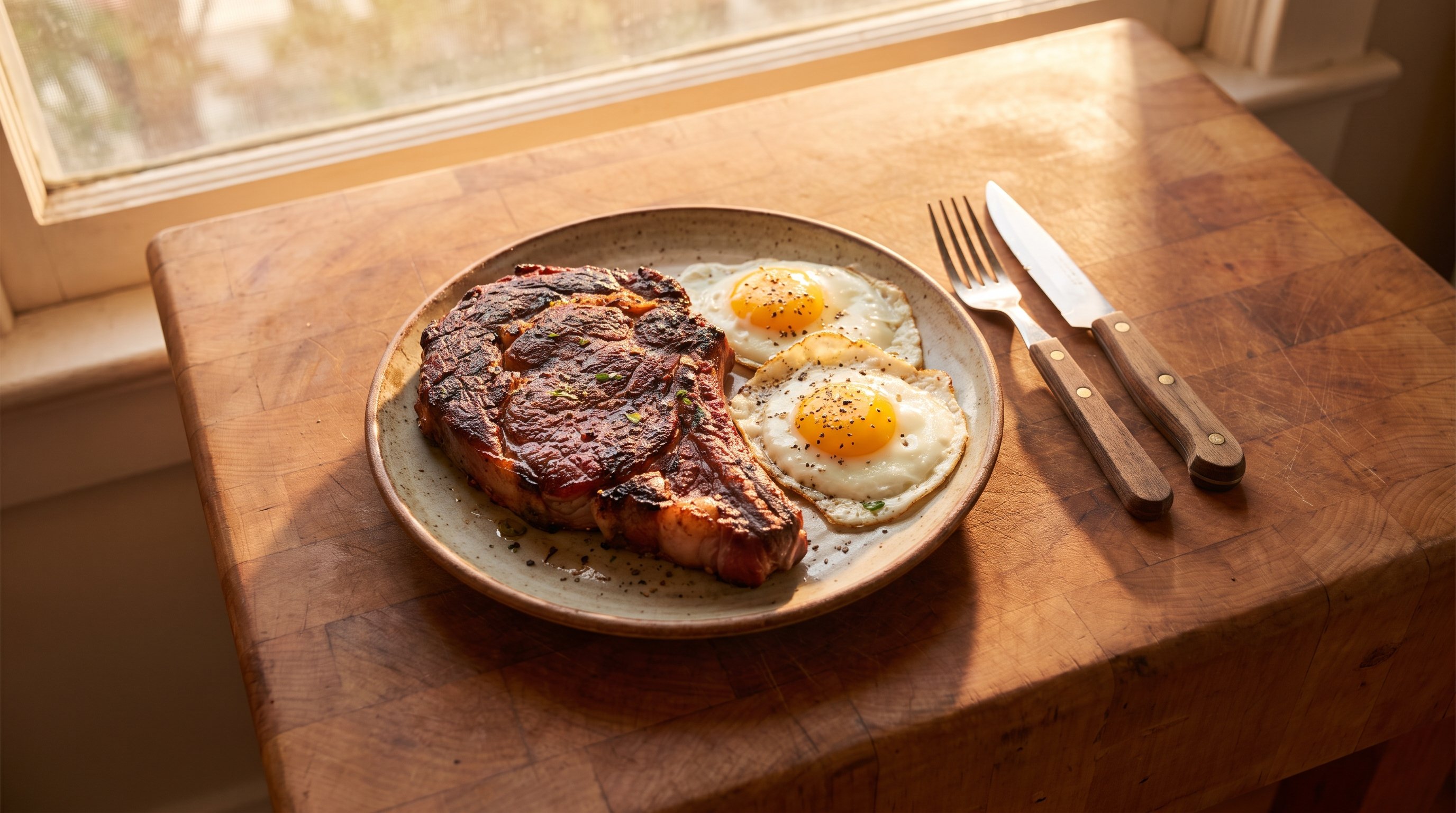
Carnivore before and after photos show the end of a long stretch of ordinary meals, not the effect of one magic swap. What changes first is usually how you eat: a steadier appetite, fewer snacks and a plate built on protein and fat, repeated week after week.
The mechanism is plain. Protein and fat are filling, they steady your appetite, and cutting out ultra-processed snacks removes a lot of easy, unplanned eating without you counting anything.
Below, you will find what a before and after photo really represents, how the change works underneath, what shapes it, a week you can copy and the mistakes that quietly stall progress.
Myth: The Photo Tells the Whole Story
A before and after photo looks like proof of a fast fix. It hides months of ordinary meals, and it never shows the weeks that felt like nothing was happening.
No way of eating melts fat from one area of your body. Your body does not choose where it draws energy from based on what you ate that day, so no plate targets your stomach, your arms or anywhere else.
The real story is less exciting but more useful: consistent eating over time changes how you look and feel, and the photo is just the visible marker of all the ordinary days in between.
| Factor | What the photo shows | What actually made it happen |
|---|---|---|
| Timeline | One dramatic change | Months of ordinary meals |
| Effort | A quick fix | A week you can repeat |
| Focus | One body part | Your whole routine |
| The hard days | Not shown | Meals that still happened |
How the Change Happens
Two things tend to happen at once when you switch to a meat-based way of eating, and both play a part in anything you notice later.
Your Appetite Settles
Protein and fat take longer to digest than refined carbs, so a meal tends to hold you over for longer. Fewer cravings between meals means fewer moments where a snack decides your afternoon.

Processed Carbs Drop Out
Cutting bread, cereal and packaged snacks removes a lot of the eating that happens without much thought. None of those foods felt like a big decision on its own, but together they add up over a week.
Neither of these is dramatic on a single day. They work because they repeat.
What Shapes Your Results
Two people can follow the same food list and notice very different things, and three factors explain most of that difference.
Key Points
- How consistent your week is - a pattern you follow most days beats a perfect day followed by three skipped ones.
- Whether the meals fit you - a plan built around food you dislike rarely lasts long enough to show anything.
- How much you already move - walking, lifting and general activity change how your body uses what you eat.
You control all three, and the first two are mostly about planning, not willpower.
A Week You Can Repeat
Here is a simple weekly structure built from everyday cuts, without anything exotic or hard to find.
Key Points
- Monday - eggs and bacon, then a steak dinner
- Tuesday - ground beef at midday, chicken thighs in the evening
- Wednesday - eggs, a salmon fillet and a ground beef bowl
- Thursday - steak, pork chops and eggs
- Friday - burger patties, chicken and eggs
- Weekend - the same shape, with room for one meal out
That repetition is the point. A week you can run on autopilot is a week you will still be running in month three.
Fitting It Into a Working Week
Steady change does not need a quiet, controlled life. It needs a plan that survives a busy Tuesday as well as a relaxed Sunday.
Cook once and eat twice: a tray of chicken thighs or a pan of ground beef covers tonight's dinner and tomorrow's lunch. Keep a few backups in the freezer for the evenings when cooking is not going to happen.

A meal plan built around food you already like removes the daily decision-making that wears you down by week three. A tailored plan builds recipes and a goal-focused section around your own eating style, so it is something you follow rather than something you white-knuckle through.
When Changes Start to Show
Early weeks are mostly about appetite and energy settling down, and that part moves faster for some people than for others. How fast depends on your starting point and how consistent your weeks are, so watch the pattern rather than the calendar.
Expect a dip in motivation once the novelty wears off and your plate starts to feel routine rather than new. That is normal, and it is also the point where this either fades or quietly becomes just how you eat now.
Useful signals to watch along the way: steadier energy through the afternoon, fewer cravings between meals and a week of meals that no longer takes much thought.
Mistakes to Avoid
Chasing a Deadline
Pinning your progress to a wedding or holiday date adds pressure that has nothing to do with how eating actually works. Drop the countdown and just keep going.
Eating the Same Three Meals
Boredom can end an attempt early, so rotate a handful of cuts and simple recipes to keep your plate interesting enough to stay with.
Skipping Meals
Undereating leads to the kind of hunger that ends in a bad decision later. Eating proper portions at each sitting matters more than cutting back further.
Skimping on Salt
Cutting carbs changes how your body holds water and salt, and too little salt can make the first week feel rough. Salt your food properly and sip water through the day.
Comparing Yourself to Strangers
Everyone starts from a different place, so measure this week against last week, not against a photo online.
Your Results With Carnimeal
Good advice written for someone else's goal, body or schedule can still miss what is happening in your week.
Carnimeal is a customized carnivore book built from your quiz answers: recipes around your favorite foods with anything you exclude left out, a section dedicated to your goal, and cooking, shopping and prep guidance meant to be followed in real life. Most meals take about 10-15 minutes with everyday ingredients.
The companion app keeps the routine visible with daily challenges, habit streaks and trackers, so the ordinary days behind any before and after are easier to string together. A book is a plan, not a result, and the plan is the part most attempts are missing.
Start Your Carnivore Plan
Your Meat-Based Diet
Your Next Step
The most useful thing you can do today is pick one meal, cook it properly and repeat it a few times before judging anything.
If you want that repeating to be easier, your Carnimeal plan starts with a short quiz and builds the week around your goal instead of a generic list you have to adapt yourself.
FAQ
It depends on your starting point and how consistent your weeks are, so watch the pattern rather than the calendar. Changes in appetite and energy tend to show up before anything visible does.
What makes this way of eating hold up is substitution, not restriction - protein and fat replace processed carbs, so you are not white-knuckling hunger. Whether it lasts comes down to whether your meals stay enjoyable enough to repeat.
Rotate cuts, cooking methods and simple recipes rather than sticking to one plate forever. Carnimeal helps here, since your recipes are built around the foods you already like to eat.
Starting point, consistency and how much you already move all shape what happens, so comparisons between two different people rarely mean much. Compare this week with last week instead of someone else's timeline.
A photo in the same spot and light once a month can be a useful record alongside notes on energy and appetite. Treat it as one signal among several, not a verdict on your effort.
Share this post